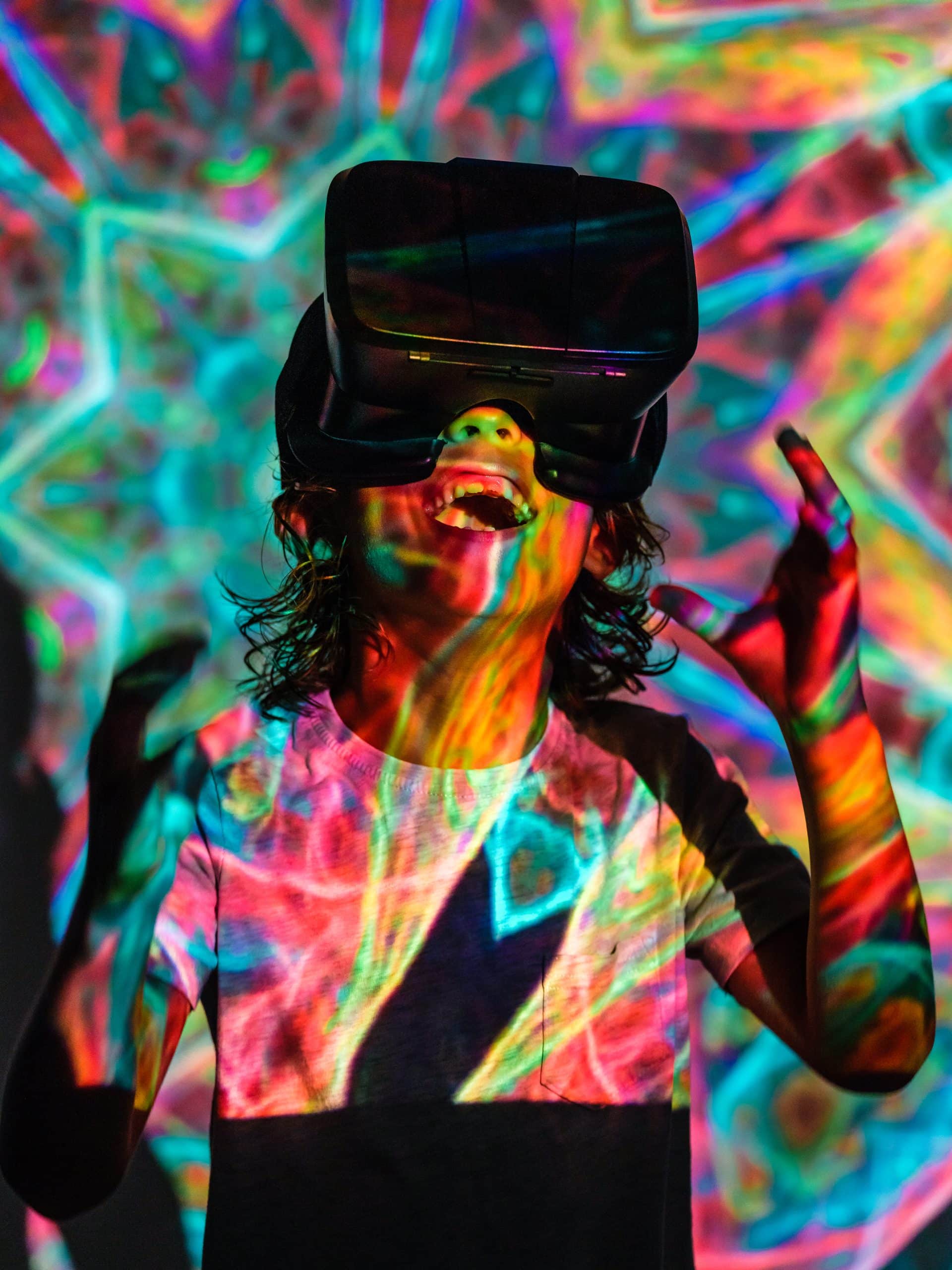
Virtual Reality (VR) technology has transformed numerous industries, from gaming and entertainment to education and training. As VR becomes more widespread, safety concerns are increasingly coming to the forefront. Users may face various risks ranging from physical injuries to psychological impacts. This article delves into the main safety concerns associated with VR and provides guidelines on how to mitigate these risks to ensure a safe VR experience.
Understanding VR Safety Concerns
Physical Injuries
One of the most immediate risks associated with VR is physical injury. Users immersed in virtual environments may lose awareness of the real world around them, leading to trips, falls, or collisions with objects.
Prevention Measures:
– Designated Play Areas: Ensure that VR sessions are conducted in clear, unobstructed areas.
– Physical Boundaries: Use VR systems that incorporate boundary settings which alert users when they are too close to real-world obstacles.
Cyber Sickness
Cyber sickness, or VR-induced nausea, affects a significant number of users. Symptoms include dizziness, headache, and nausea, similar to motion sickness. It results from a disconnect between what users see and what their bodies feel.
Prevention Measures:
– High-Quality Displays: Use high refresh rate screens to reduce lag and flicker, decreasing the likelihood of nausea.
– Limit Session Times: Encourage breaks and limit VR sessions, especially for beginners or those prone to motion sickness.
Visual Fatigue
Prolonged VR usage can lead to eye strain and visual fatigue, mainly due to the close proximity of VR displays to the user’s eyes and the focus on virtual objects at a constant distance.
Prevention Measures:
– Regular Breaks: Apply the 20-20-20 rule (every 20 minutes, look at something 20 feet away for 20 seconds).
– Adjustable Settings: Optimize brightness and contrast settings to comfortable levels to reduce eye strain.
Data Privacy Concerns
VR devices can collect a vast amount of personal data, including physical movements, voice commands, and even biometric data. This raises significant privacy concerns.
Prevention Measures:
– Transparent Data Policies: Companies should provide clear information about what data is collected and how it is used.
– Enhanced Security Measures: Implement robust security protocols to protect user data from unauthorized access.
Psychological Effects
VR can have profound psychological effects, especially for users who spend extended periods in virtual environments. These can range from altered perception of reality to more severe impacts such as anxiety and dissociation.
Prevention Measures:
– Content Warnings: Provide users with clear warnings about the content, especially for experiences that might be intense or emotionally disturbing.
– Professional Guidelines: Develop guidelines for content creators to prevent psychologically harmful content.
Implementing Safety Measures
Educating Users
Education is critical in preventing VR-related injuries and ensuring a safe experience. Users should be made aware of potential risks and best practices for safe usage before they start using VR.
Actionable Steps:
– User Manuals: Include comprehensive safety information in user manuals.
– Onboarding Sessions: Offer tutorials that guide new users through setting up and safely using VR equipment.
Industry Regulations
As the VR industry grows, there is a need for standardized safety regulations to protect users. Regulators and industry leaders should collaborate to establish universal safety standards and practices.
Proposed Regulations:
– Certification Standards: Implement certification programs for VR systems that meet safety criteria.
– Regular Audits: Conduct audits and updates of VR systems to ensure ongoing compliance with safety standards.
Research and Development
Continued research into the long-term effects of VR is essential. Investing in research can lead to better understanding and solutions for the health risks associated with VR technology.
Research Focus Areas:
– Long-Term Health Impacts: Study the effects of prolonged VR use on physical and psychological health.
– Improvement of Hardware: Innovate designs that minimize physical discomfort and reduce health risks.
Conclusion
While VR technology offers unprecedented opportunities for immersive experiences, it brings several safety concerns that cannot be overlooked. By addressing these issues proactively through user education, regulatory frameworks, and continued technological improvements, the industry can mitigate risks and ensure a safer environment for all users. As VR continues to evolve, prioritizing safety will enhance user confidence and foster wider adoption, securing a robust future for the technology in various applications.