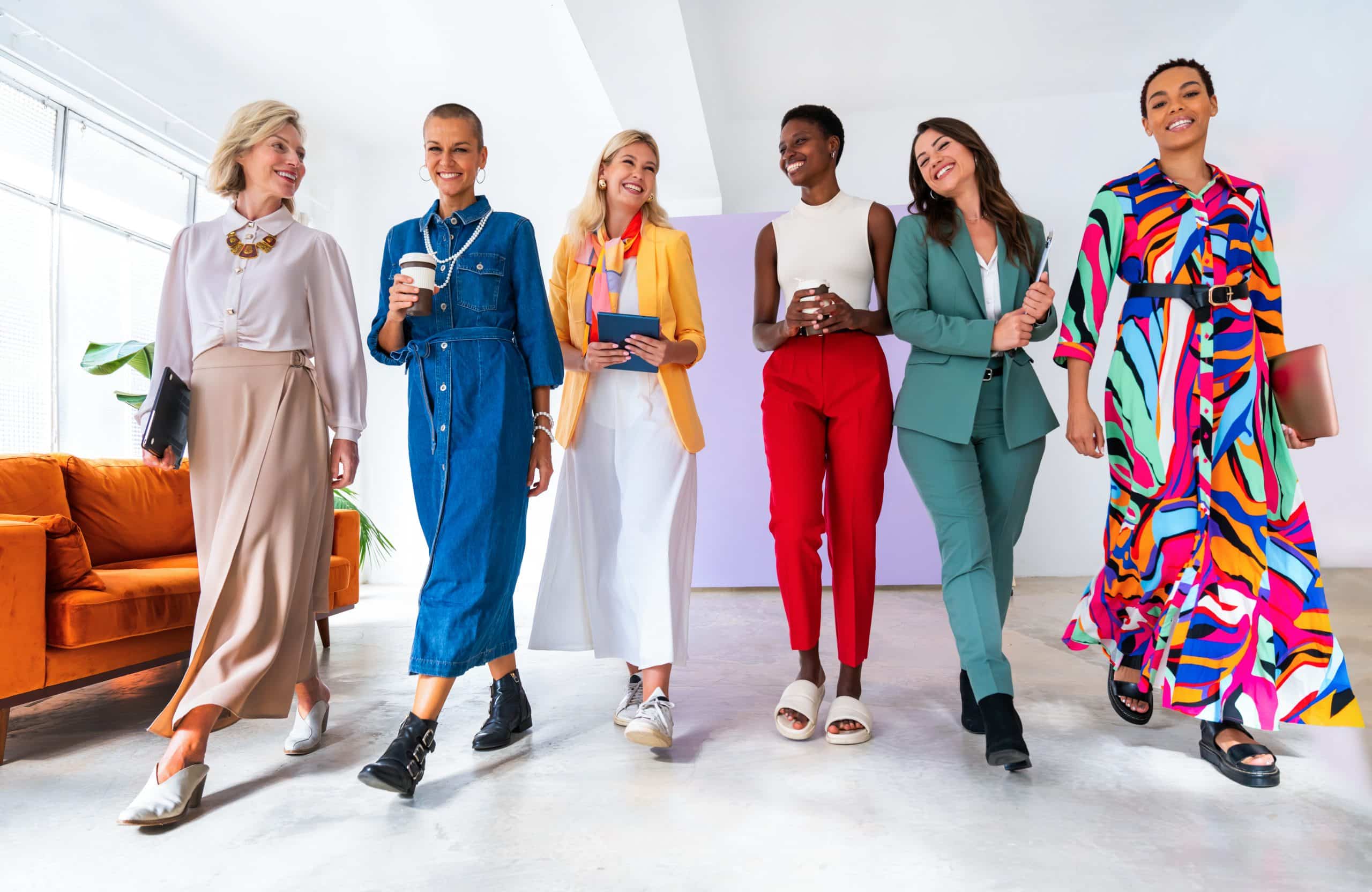
In the fast-paced world of fashion, where style and trends change with the seasons, digital marketing has emerged as a transformative force. It’s not just about pushing a product anymore; it’s about creating an experience, telling a story, and building a community. As we delve deeper into how digital marketing is reshaping the fashion industry, it becomes clear that these strategies are not just trends but fundamental shifts that are redefining the landscape.
- Enhanced Brand Visibility through Social Media
The advent of social media platforms such as Instagram, Facebook, Pinterest, and TikTok has revolutionized how fashion brands engage with their audience. These platforms provide immense opportunities for brands to showcase their collections, launch new products, and create buzz around upcoming trends.
Impact:
– Visual Storytelling: Fashion is visual, and social media platforms are ideal for showcasing the aesthetic appeal of clothing through high-quality images and videos.
– Influencer Collaborations: Social media influencers with significant followings have become key partners in promoting fashion brands. Their endorsement helps brands reach larger and more engaged audiences.
– Real-time Engagement: Social media allows for immediate interaction with customers through comments, likes, shares, and other forms of engagement, enhancing customer relationships and feedback loops.
- Personalization at Scale
Digital marketing tools powered by artificial intelligence and machine learning have enabled fashion brands to offer personalized shopping experiences at an unprecedented scale. From personalized product recommendations to customized email marketing campaigns, brands are now able to cater to the individual preferences and buying habits of their customers.
Impact:
– Customized Shopping Experiences: Online stores can now display products based on past interactions, browsing behavior, and purchase history.
– Targeted Advertising: Digital platforms utilize user data to serve highly targeted advertisements to specific segments, increasing the relevance and effectiveness of marketing campaigns.
– Enhanced Customer Retention: Personalization enhances the customer experience, increasing the likelihood of repeat purchases.
- E-commerce and Mobile Shopping
The shift from brick-and-mortar stores to online shopping has been significantly accelerated by digital marketing. The convenience of shopping from anywhere at any time has made e-commerce a popular choice among consumers, especially with the integration of mobile shopping applications.
Impact:
– Wider Reach: E-commerce platforms extend a brand’s reach beyond geographical limitations, allowing small designers and large fashion houses alike to reach a global audience.
– Consumer Insights: Online platforms provide valuable data on consumer behavior, preferences, and trends, which can be used to make informed decisions about product lines and marketing strategies.
– Omnichannel Experience: Many brands now integrate their online and offline channels to provide a seamless shopping experience. For example, allowing customers to check in-store availability online or return online purchases at a physical store.
- Content Marketing and SEO
In an industry as competitive as fashion, content marketing combined with strong SEO strategies helps brands stand out. Engaging content—from blogs about fashion tips to newsletters announcing new collections—helps drive organic traffic, improve search engine rankings, and engage customers at a deeper level.
Impact:
– Brand Storytelling: Effective content marketing allows brands to tell their story, communicate their values, and connect with customers on an emotional level.
– SEO Visibility: Well-optimized content improves a brand’s visibility on search engines, attracting more organic traffic to their websites.
– Customer Engagement and Retention: Quality content can keep customers engaged with the brand, encouraging them to spend more time on the website and increase the likelihood of making a purchase.
- Virtual and Augmented Reality
The use of virtual (VR) and augmented reality (AR) technologies in digital marketing offers fashion brands innovative ways to engage consumers. Virtual showrooms and AR fitting rooms have started to augment the online shopping experience by allowing customers to try before they buy without the need to visit a physical store.
Impact:
– Enhanced Online Experience: AR in apps allows customers to see how a piece of clothing would look on them, which can significantly reduce the hesitation involved in online shopping.
– Innovative Brand Campaigns: VR can transport customers to virtual fashion shows or behind-the-scenes tours, offering unique experiences that are memorable and shareable.
– Increased Sales and Reduced Returns: By providing a better sense of fit and style before purchase, AR can increase conversion rates and reduce return rates.
- Sustainability and Digital Storytelling
As consumers become more environmentally conscious, fashion brands are using digital platforms to highlight their sustainability efforts. This not only helps in building brand credibility but also appeals to the growing demographic of eco-conscious shoppers.
Impact:
– Transparent Communication: Brands use digital channels to communicate their materials sourcing, production processes, and labor practices.
– Engagement on Social Issues: Fashion brands are increasingly engaging in social and environmental issues, using their platforms to advocate for sustainability and ethical practices.
– Customer Loyalty: Brands that successfully communicate their commitment to sustainability are likely to build stronger connections with customers, fostering loyalty.
Conclusion
Digital marketing is not just reshaping the fashion industry; it is setting new standards for how fashion is marketed and consumed. The integration of technology with creative marketing strategies has created a dynamic environment where brands can thrive by being responsive to consumer needs and behaviors. As digital marketing continues to evolve, it will undoubtedly unveil new opportunities and challenges in the fashion industry, making adaptability and innovation key drivers of success.