Extended Reality (XR) is an umbrella term that encompasses Virtual Reality (VR), Augmented Reality (AR), and Mixed Reality (MR), merging the real and virtual worlds to create new environments where physical and digital elements can interact. XR is not just a groundbreaking development in technology; it’s a paradigm shift that’s beginning to reshape various industries, offering new ways to engage with customers, streamline operations, and create immersive experiences that were once the stuff of science fiction. This article delves into the basics of XR, its various applications, and the profound implications it holds for businesses across the spectrum.
Understanding XR: VR, AR, and MR
To fully grasp the potential of Extended Reality, it’s important to differentiate between its core technologies:
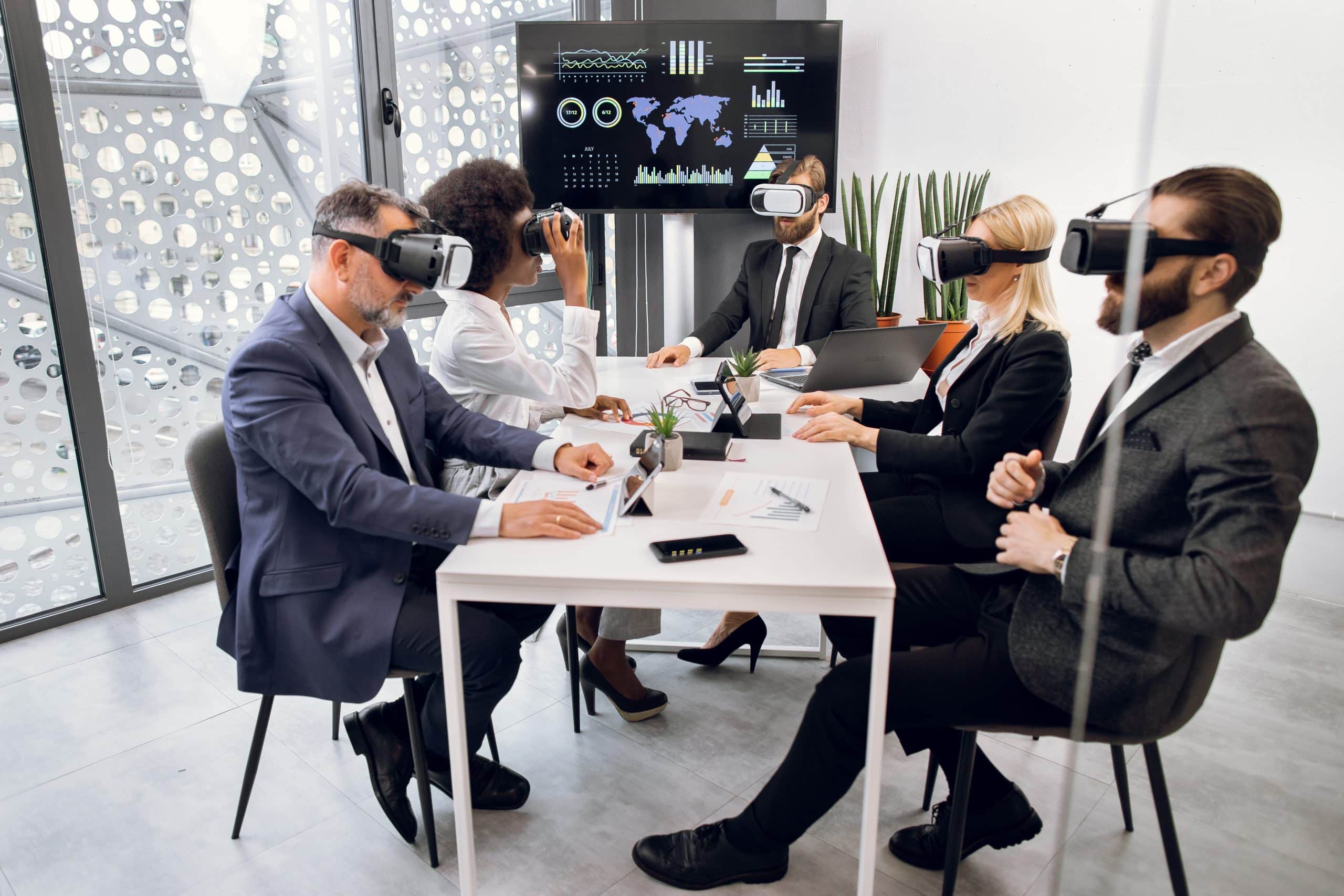
– Virtual Reality (VR) immerses users in a fully artificial digital environment that is experienced through a headset or a special room equipped with advanced sensory equipment. VR is used extensively in gaming, simulations, and training environments.
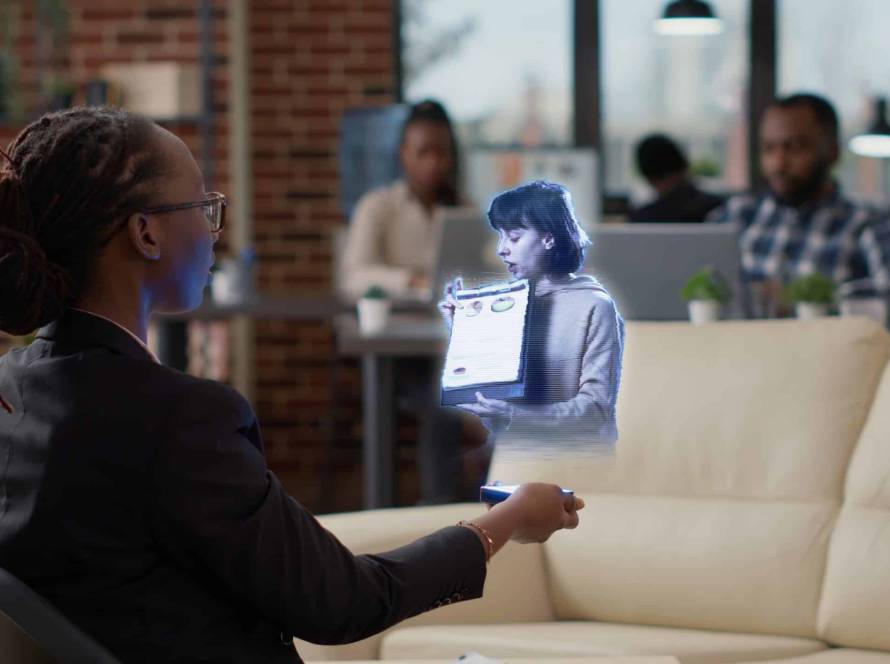
– Augmented Reality (AR) overlays digital content onto the real world through devices such as smartphones or AR glasses. This technology enhances the user’s perception of reality by adding sounds, videos, graphics, or other data on top of the environment around them. AR has found applications in marketing, maintenance, design, and everyday utilities.
– Mixed Reality (MR) combines elements of both AR and VR, anchoring virtual objects to the real world and allowing the user to interact with these objects. MR is used in complex fields like medical surgery, advanced engineering, and architecture.
Business Applications of XR
- Training and Education
XR technologies, particularly VR and MR, have revolutionized training and education processes across industries. For example, in aerospace, companies like Boeing use AR to assist technicians in the intricate process of wiring jet engines, which has been shown to reduce production time and decrease error rates. Similarly, VR is used in medical training, providing students with risk-free environments to practice surgeries and other medical procedures.
- Retail and Marketing
In the retail sector, XR offers unique opportunities for enhancing customer experience and engagement. AR apps like IKEA Place allow customers to visualize furniture in their homes before making a purchase. Similarly, fashion brands use AR for virtual fitting rooms, where customers can try on clothes without physically changing. MR applications are also emerging, providing a hybrid experience that could redefine in-store shopping by integrating digital product information directly into the physical retail space.
- Remote Work and Collaboration
With the rise of remote work, XR technologies are becoming increasingly important tools for collaboration. VR meeting spaces can simulate a real office environment, where participants, represented by digital avatars, can interact with each other and work on virtual whiteboards or share files. MR applications go a step further by allowing users to manipulate digital objects in a shared physical space, enhancing teamwork and productivity for dispersed teams.
- Customer Support and Maintenance
XR technologies significantly improve the efficiency of maintenance and customer support. For instance, AR can guide technicians through complex repairs with overlay instructions and live support, reducing downtime and the need for follow-up visits. Companies like Thyssenkrupp Elevator have used MR to equip technicians with remote assistance and detailed overlays of elevator schematics, improving service times and safety.
Business Implications of XR
- Enhanced Customer Experiences
XR technologies offer businesses innovative ways to enhance customer interactions and experiences, providing a competitive edge in industries where engagement and personalization are key.
- Operational Efficiency
XR can streamline operations, reduce errors, and cut costs by improving training, speeding up design and development processes, and enhancing maintenance and support operations.
- New Business Models
XR opens up opportunities for new business models and revenue streams. For example, real estate companies can offer virtual tours, and event organizers can sell virtual attendance tickets for concerts or conferences.
- Data Collection and Analysis
XR applications are not just output devices; they are also capable of collecting vast amounts of data about user interactions and behaviors. This data can be invaluable for refining product designs, improving user interfaces, and personalizing marketing strategies.
Challenges and Considerations
Despite its potential, the widespread adoption of XR technology faces several challenges:
– High Implementation Costs: Developing XR applications can be expensive, requiring significant upfront investment in technology and skills.
– Privacy and Security: The use of XR involves the collection and processing of large amounts of potentially sensitive data, raising concerns about privacy and data security.
– User Experience: For XR technologies to be effective, they must deliver a seamless and comfortable user experience, which is still a work in progress in some applications.
Conclusion
Extended Reality is reshaping the business landscape by offering immersive, efficient, and engaging ways to connect with customers and streamline operations. As the technology matures and becomes more accessible, it will likely play a pivotal role in the digital transformation strategies of companies worldwide. Businesses that understand and leverage XR technologies now will be well-positioned to lead in their respective fields, offering experiences that today’s tech-savvy consumers are beginning to expect.