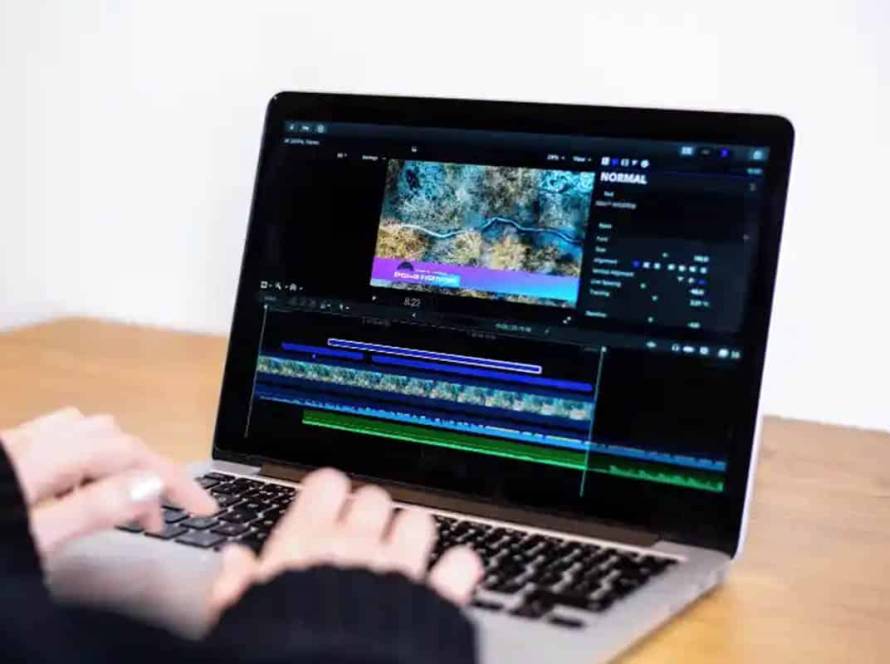
Live streaming has become a ubiquitous part of digital communication, allowing individuals and businesses to broadcast events, share content, and interact with audiences in real-time across the globe. Whether you’re a gamer, a musician, an educator, or a business owner, live streaming can significantly enhance your digital presence. However, starting can seem daunting for beginners. This comprehensive guide covers the basics of live streaming, from the necessary equipment to best practices, helping you launch your streaming journey confidently.
Understanding Live Streaming
Live streaming is the real-time broadcasting of video and audio content over the internet. Unlike pre-recorded videos, live streams allow for instant interaction with viewers, making them a dynamic and engaging form of content. Popular platforms for live streaming include YouTube, Twitch, Facebook Live, and Instagram Live, each catering to different audiences and types of content.
Step 1: Define Your Goals and Audience
Before you start streaming, it’s crucial to define what you want to achieve and who your target audience is. Are you looking to entertain, inform, educate, or sell? Understanding your objectives will guide the content of your streams and help you choose the right platform. Similarly, knowing your audience will inform how you engage with viewers and what kind of content you create.
Step 2: Gather the Necessary Equipment
To start live streaming, you need some basic equipment. The complexity and cost of the equipment can vary based on your budget and streaming goals.
Essential Equipment for Live Streaming:
– Camera: High-quality video content requires a good camera. While high-end webcams and professional cameras offer the best quality, many beginners start with a smartphone camera, which can suffice in many scenarios.
– Microphone: Audio clarity is crucial, so invest in a good microphone. Options range from lavalier microphones to studio-quality condenser mics, depending on your needs and setup.
– Lighting: Good lighting can significantly improve the quality of your video. Basic ring lights or softbox lights can create a professional-looking video setup.
– Encoder: This software or hardware encodes your video into a livestream-friendly format. Software encoders like OBS Studio (Open Broadcaster Software) are popular and can be downloaded for free.
– Stable Internet Connection: A reliable and fast internet connection is crucial to ensure your stream doesn’t buffer or drop off.
Step 3: Choose a Streaming Platform
Selecting the right platform is critical as it determines the potential reach and type of audience you can attract. Consider the following when choosing a platform:
– Audience: Where does your target audience spend most of their time? For instance, Twitch is popular among gamers, while LinkedIn might be better for professional and business content.
– Features: Look at the features different platforms offer, such as monetization options, analytics, and interaction tools like chats and polls.
– Usability: Choose a platform you find intuitive and easy to use, especially when you are managing the stream by yourself.
Step 4: Set Up Your Streaming Space
Create a dedicated space for streaming. This space should be quiet, well-lit, and have a pleasing background. Ensure it is free from interruptions and ambient noise, which can detract from the quality of your stream.
Step 5: Plan Your Content
Having a clear plan for your content is essential. Even if your stream includes unscripted interactions, having a basic outline of what you intend to cover can help keep your stream structured and engaging. Consider scripting the opening and closing of your stream to ensure a professional beginning and end.
Step 6: Test Your Setup
Before going live, conduct several test streams to adjust your setup, including lighting, sound, and streaming quality. Use this time to get comfortable with the broadcasting software and settings. Testing helps prevent technical issues during the actual stream.
Step 7: Promote Your Stream
To attract viewers, you need to promote your live stream. Use social media, emails, and other communication channels to inform your audience about the upcoming stream. Provide clear details on when it will happen and what it will entail.
Step 8: Engage with Your Audience
Once live, it’s important to engage with your audience. Acknowledge viewers as they join, answer questions, and stimulate conversation. Viewer interaction is key to a successful stream; it helps retain viewers and makes the experience more enjoyable and personal.
Step 9: Analyze and Improve
After each stream, review the performance metrics provided by your streaming platform. Analyze viewer engagement, number of viewers, watch time, and other relevant data to understand what worked and what didn’t. Use this information to refine your approach and improve future streams.
Conclusion
Live streaming is a powerful tool for real-time interaction and content delivery. By following these steps, you can start your live streaming journey effectively, engaging an audience that is eager for content that is immediate, personal, and dynamic. Remember, consistency is key, so keep streaming regularly, and continuously refine your approach based on audience feedback and analytic
Live streaming has evolved from a novel form of entertainment into a substantial revenue stream for content creators, businesses, and influencers alike. With platforms like Twitch, YouTube, and Facebook offering various monetization options, live streamers can convert their passion into profit. This article explores effective strategies and practical tips for monetizing live streams, helping creators maximize their earnings while engaging with their audience.
Understanding Monetization Opportunities
Before diving into specific strategies, it’s crucial to understand the different ways you can monetize live streams:
- Advertisements: Running ads before, during, or after your live streams can generate revenue. Platforms like YouTube and Twitch have built-in features that allow for ad placement.
- Subscriptions: Many platforms offer subscription options where viewers pay a monthly fee for special perks like exclusive content or subscriber-only chat.
- Donations and Tips: Viewers can show appreciation by sending money directly to streamers through features like Super Chat on YouTube or the Cheer feature on Twitch.
- Sponsorships: Partnering with brands for product placements or mentions during streams can be lucrative, especially for streamers with large followings.
- Affiliate Sales: Promoting products during your stream and providing affiliate links can earn you a commission on every sale made through those links.
- Merchandising: Selling branded merchandise, such as t-shirts, hats, or mugs, can be a significant revenue stream.
Developing a Monetization Strategy
To effectively monetize your live stream, you need a clear and targeted strategy. Here are some steps to guide you:
Choose the Right Platform
Select a platform that supports monetization and aligns with your content type and audience. For example, Twitch and YouTube are great for gamers, while Instagram and Facebook might be better for lifestyle and entertainment content.
Build and Engage Your Audience
The success of your monetization efforts is directly linked to the size and engagement of your audience. Focus on delivering high-quality, engaging content consistently. Use interactive features like polls, Q&A sessions, and direct viewer interactions to keep the audience engaged and encourage participation.
Leverage Multiple Revenue Streams
Don’t rely solely on one monetization method. Combining several strategies, such as ads, sponsorships, and merchandise sales, can maximize your earnings and provide financial stability.
Tips for Effective Monetization
- Advertisements
– Optimize Ad Placement: Determine the best times to run ads to minimize disruption and viewer drop-off. For instance, running ads during natural breaks in your content can enhance viewer retention.
– Understand Platform Requirements: Each platform has its rules and revenue-sharing models for ads. Make sure you understand these policies to maximize your earnings.
- Subscriptions
– Offer Exclusive Benefits: Provide value that justifies a subscription, such as exclusive content, special emotes, or badges that enhance the viewer experience.
– Promote Benefits Regularly: Remind your audience of the perks of subscribing, especially during live streams, to encourage new subscriptions.
- Donations and Tips
– Make It Easy to Donate: Ensure that the donation process is straightforward. Use trusted payment systems and display donation links prominently.
– Acknowledge Donors: Recognize and thank your donors during the stream. Personal acknowledgments can encourage others to donate.
- Sponsorships
– Target Relevant Brands: Approach brands that align with your audience’s interests and your content’s nature. Relevance is key to successful sponsorships.
– Maintain Authenticity: Ensure that sponsored content fits seamlessly into your normal content. Your audience values authenticity and might disengage if content feels overly commercial.
- Affiliate Sales
– Choose Relevant Products: Promote products that are relevant to your content and audience. Irrelevant products are less likely to generate sales.
– Transparent Disclosure: Always disclose affiliate relationships to your audience. Transparency builds trust and adheres to legal requirements.
- Merchandising
– Design Unique Merchandise: Offer merchandise that resonates with your brand identity and appeals to your audience.
– Promote Merchandise Creatively: Use your live streams to showcase your merchandise. Consider offering special promotions or limited-time offers to increase sales.
Analyzing and Adjusting Your Strategy
Regularly review your monetization performance. Analyze which strategies are working and which aren’t. Adjust your approach based on this data to optimize your revenue streams. Engage with your audience to get feedback on what they like and what they’re willing to pay for.
Conclusion
Monetizing your live streams effectively requires a combination of strategic planning, audience engagement, and the use of multiple revenue streams. By understanding the monetization opportunities available and implementing these practical tips, you can turn your live streaming passion into a profitable venture. Remember, the key to successful monetization is to maintain the quality and authenticity of your content while exploring various avenues for revenue generation.