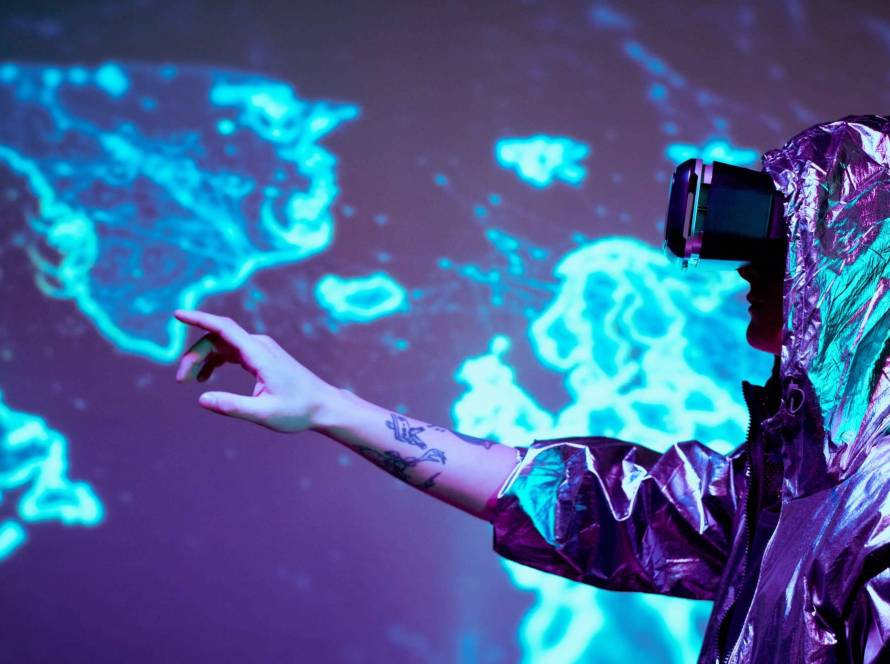
Extended Reality (XR) encompasses a range of immersive technologies including Virtual Reality (VR), Augmented Reality (AR), and Mixed Reality (MR). These technologies are rapidly advancing, offering transformative opportunities across various sectors such as entertainment, education, healthcare, and manufacturing. However, while the potential of XR to revolutionize these industries is significant, there are also substantial challenges to overcome. This article explores both the opportunities and challenges associated with XR technology, providing insights into its current capabilities and future potential.
Opportunities Presented by XR Technology
- Enhanced Training and Education
XR offers remarkable opportunities for immersive training and education. VR and MR, in particular, allow for realistic simulations of complex procedures and environments, which are invaluable in sectors like healthcare, aerospace, and the military. For instance, surgeons can practice delicate surgeries without any risk to patients, while soldiers can experience battlefield conditions in a controlled environment. This leads to better preparedness and skill acquisition.
- Revolutionizing Retail and Marketing
In retail, XR technologies enable innovative customer engagement strategies that enhance the shopping experience. AR apps can allow customers to visualize products in their own space before purchasing, as seen with IKEA’s AR app which lets users see how furniture would look in their home. Similarly, VR can create engaging virtual stores for remote shopping experiences, expanding the market reach beyond geographical limitations.
- Improving Accessibility
XR can significantly enhance accessibility, especially for individuals with disabilities. For example, AR applications can translate spoken language into subtitles in real time, or provide navigation aids for people with visual impairments. This not only helps in social integration but also opens up new opportunities for learning and communication.
- Transforming Remote Work and Collaboration
As remote work becomes more prevalent, XR is poised to transform how we interact in these environments. Virtual offices could become the norm, where colleagues from around the world interact in a shared virtual space, enhancing teamwork and reducing the need for physical travel.
Challenges Facing XR Technology
While the opportunities are vast, the challenges are significant and must be addressed to fully leverage XR’s potential:
- High Costs of Implementation
Developing and deploying XR technologies can be expensive. The cost of high-quality VR headsets and the computing hardware needed to support them is prohibitive for many consumers and small businesses. Similarly, developing custom AR applications requires significant investment in software development and content creation.
- Technical Limitations
Current XR technologies still face several technical limitations that can hinder widespread adoption. These include issues with resolution, field of view, battery life, and device comfort and ergonomics. Moreover, there are challenges related to data bandwidth and processing power needed to run complex simulations in real-time.
- User Experience Issues
Poor user experience can detract from the effectiveness of XR applications. Issues such as motion sickness in VR, or the awkwardness of interacting with touch-less interfaces in AR, need to be resolved to improve usability. Ensuring intuitive and comfortable experiences is crucial for user acceptance.
- Privacy and Security Concerns
As with any technology that collects and processes large amounts of user data, XR raises significant privacy and security concerns. Ensuring that personal data is protected, particularly when used in public or semi-public spaces like augmented reality in cities or workplaces, is essential.
- Ethical and Societal Implications
The immersive nature of XR can blur the lines between reality and simulation, raising ethical questions about the impact on human behavior, mental health, and societal norms. For example, the potential for VR addiction or the use of AR for invasive advertising are issues that society will need to address.
The Future of XR Technology
Looking ahead, the future of XR technology is incredibly promising but will require concerted efforts from industry stakeholders, regulators, and the technology community to overcome existing challenges. Continued innovation in hardware development, thoughtful consideration of ethical implications, and robust security measures will be key to unlocking the full potential of XR.
Conclusion
XR technology offers a broad spectrum of exciting opportunities across various fields, promising to enhance how we live, work, and interact with our surroundings. However, realizing this potential will also require navigating significant challenges, particularly around technical limitations, user experience, and ethical concerns. As the technology evolves, it will be crucial for developers and policymakers to work together to ensure that XR technologies enhance human capabilities and improve quality of life in responsible and meaningful ways.