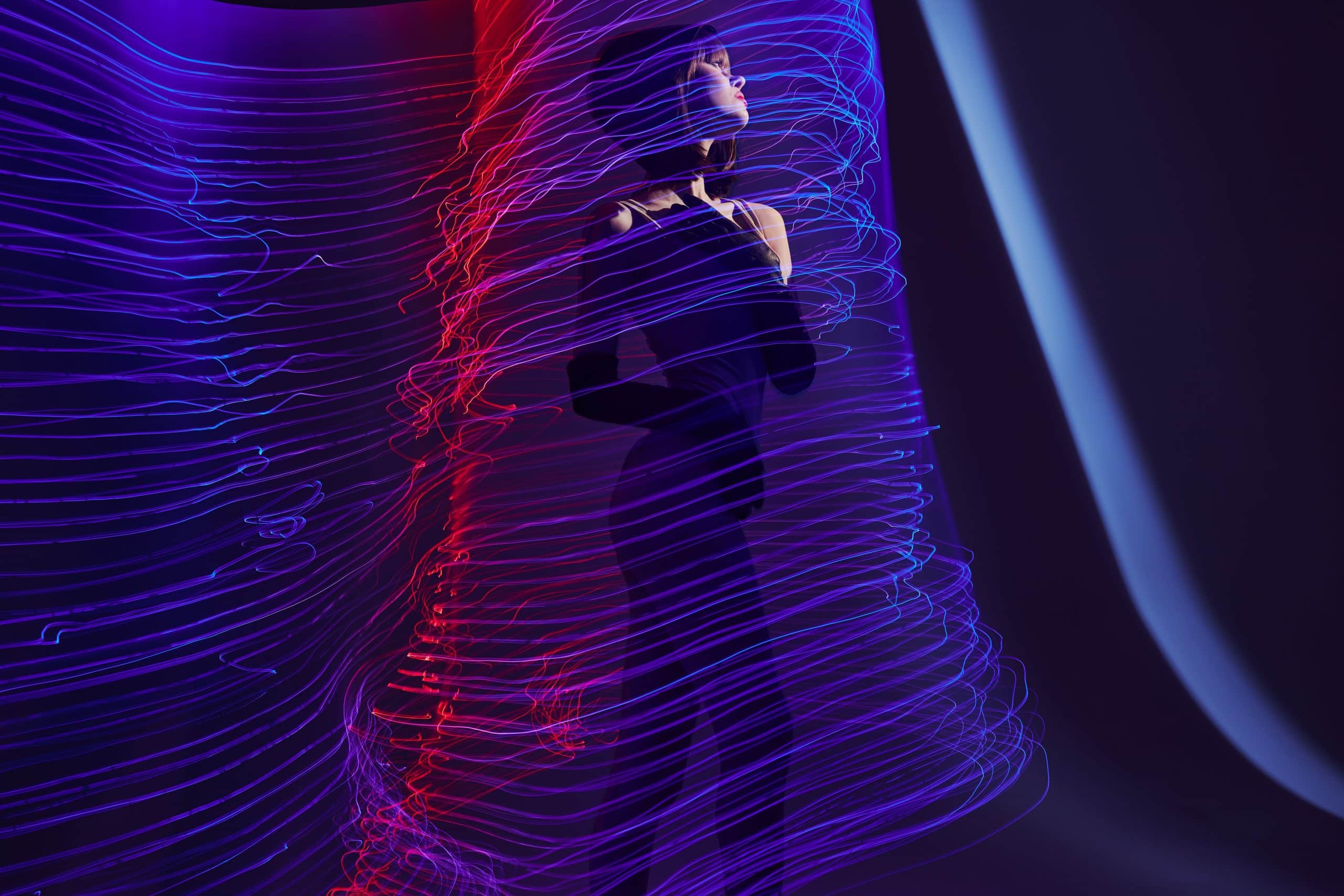
The entertainment and events industry is on the cusp of a technological revolution, with holograms poised to redefine the experience of live events. From concerts and theater productions to conferences and sports, the integration of holographic technology is set to deliver immersive experiences that were once the stuff of science fiction. This article explores how holograms could shape the future of live events, enhancing both the spectacle and the interaction involved in these gatherings.
Bringing Legends Back to Life
Perhaps the most headline-grabbing application of holographic technology has been the resurrection of performances by legendary artists who are no longer with us. Holograms have enabled icons like Tupac Shakur, Michael Jackson, and Whitney Houston to posthumously ‘perform’ on stage, much to the delight of nostalgic fans. As holographic technology advances, these performances are becoming increasingly realistic, offering a live experience that rivals attending a concert in person. This not only opens up new revenue streams for the estates of deceased artists but also provides a new form of entertainment that bridges generations.
Enhancing Live Sports
Sports events stand to gain enormously from holographic technology. Imagine watching a football game where holographic replays can be projected onto the field itself, showing a 3D layout of a contentious play, making it clearer and more engaging for spectators in the stadium. Similarly, holographic displays could enhance fan interaction with players, perhaps by having popular athletes ‘appear’ in different parts of the stadium without being physically present, interacting with fans more personally than ever before.
Transforming Conferences and Meetings
The corporate world is also ripe for transformation with holographic technology. Business conferences, seminars, and workshops that require the physical presence of speakers who are often flown in from various parts of the globe could be conducted with their realistic holographic projections instead. This would not only save costs but also reduce the carbon footprint associated with travel. For attendees, the experience remains highly engaging, as they can interact with the speaker via real-time holographic presentations.
Virtual Reality and Augmented Reality Integration
The lines between holographic technology, virtual reality (VR), and augmented reality (AR) are blurring. Future live events could see a hybrid approach where attendees wearing VR headsets interact with holograms within a completely immersive environment. This technology could be particularly transformative in educational and training settings, such as medical or tech conferences where intricate procedures or technologies need to be demonstrated.
Interactive Advertising Opportunities
Holograms also present new opportunities for interactive advertising at live events. Sponsors could engage attendees with holographic product displays and interactive games that offer a fun and engaging way to learn about new products. This could redefine the nature of event sponsorship, providing brands with a unique tool to capture and retain consumer attention in increasingly crowded marketplaces.
Personalized Experiences
The customization potential of holograms at live events is vast. Attendees could choose from multiple holographic experiences, selecting the camera angles and perspectives they prefer, or even participating in events virtually from home. For instance, holographic technology could allow fans to watch a concert from the perspective of being on stage with the band, offering a customizable and personal concert experience that goes beyond the traditional ticket.
Overcoming Technical and Ethical Challenges
While the potential of holograms in live events is vast, there are significant challenges to overcome. Technically, creating realistic, lifelike holograms that can interact dynamically with live audiences requires sophisticated software, precise lighting, and powerful processing capabilities. Additionally, the cost of implementing such technology on a large scale is currently high, though expected to decrease as the technology matures.
Ethically, the use of holograms, especially of deceased personalities, raises questions about consent and the portrayal of the individuals involved. Clear guidelines and respectful practices need to be developed to ensure that these representations are handled sensitively and ethically.
Future Outlook
As holographic technology continues to evolve, its integration into live events will likely become more refined and widespread. With developments in AI and machine learning, holograms could become interactive in more complex ways, capable of responding in real-time to audience reactions and ambient conditions.
Conclusion
The future of live events with holograms is filled with exciting possibilities that promise to enhance how we experience entertainment, sports, and education. As we move forward, the continued development and integration of this technology will not only transform audience engagement but also open up new creative avenues for expression and interaction at live events. The entertainment and events industry must navigate the technical, financial, and ethical challenges associated with these innovations, but the potential rewards are vast, pointing to a vibrant future for holograms in live events.